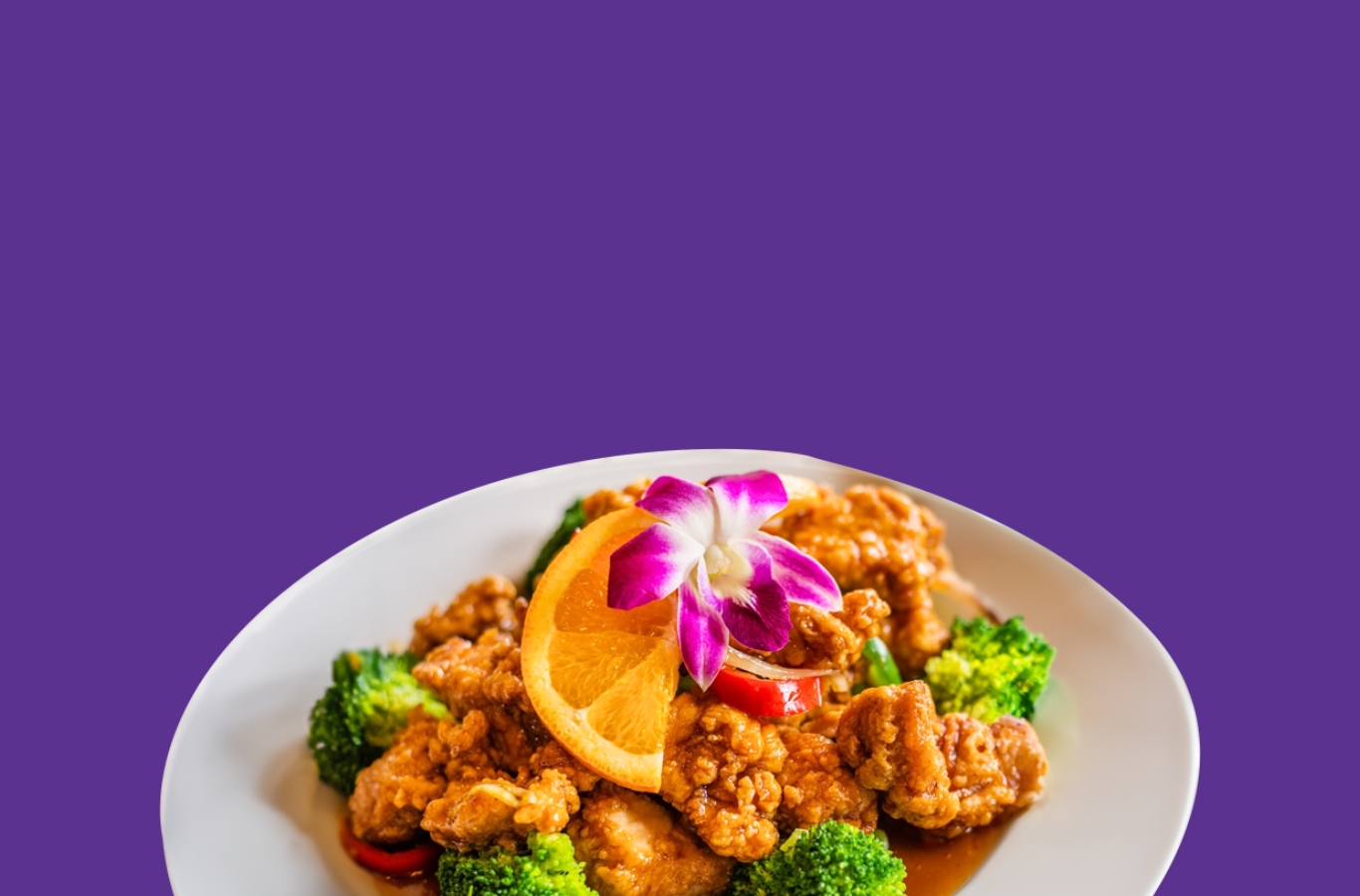

An Overview of Traditional Thai Dishes and Flavors

Thailand, a land known for its exquisite culture, stunning landscapes, and warm hospitality, offers a culinary experience that is equally captivating. Thai cuisine, a harmonious blend of sweet, sour, salty, and spicy flavors, has gained worldwide recognition for its vibrant flavors, aromatic herbs, unique taste, and complexity. Thai food offers a rich tapestry of tastes and textures that reflect Thailand’s diverse culture and geography.
The Essence of Thai Cuisine
At the heart of Thai cooking lies the balance of four fundamental flavors: sweet, sour, salty, and spicy. This harmony is achieved through the skillful use of fresh ingredients such as lemongrass, galangal, kaffir lime leaves, Thai basil, and a variety of chilies. Coconut milk, fish sauce, tamarind, and palm sugar also play crucial roles in creating the distinctive taste profiles of Thai dishes.
Popular Thai Dishes
- Tom Yum (Spicy Soup)
Tom Yum Goong is a signature Thai soup known for its hot and sour flavor. It features fragrant herbs like lemongrass and kaffir lime leaves, and a punch of heat from Thai chilies. The soup is often finished with a splash of fish sauce and a squeeze of lime juice, creating a tantalizing mix of spicy, tangy, and savory notes.
- Pad Thai (Stir-Fried Noodles)
Pad Thai is perhaps the most famous Thai dish globally. This stir-fried noodle dish combines rice noodles, eggs, tofu, shrimp, or chicken, and a medley of vegetables, all tossed in a tangy tamarind sauce. The dish is garnished with crushed peanuts, fresh bean sprouts, and lime wedges, offering a delightful contrast of textures and flavors.
- Papaya Salad (Som Tum)
Som Tum is a refreshing and spicy salad made from shredded green papaya, tomatoes, green beans, and peanuts, all tossed in a dressing of lime juice, fish sauce, palm sugar, and chilies. The dish is known for its vibrant flavors, combining sweet, sour, salty, and spicy in every bite.
- Green Curry (Gaeng Keow Wan)
Green curry is a creamy, aromatic dish made with green curry paste, coconut milk, and a variety of vegetables and proteins like chicken, beef, or tofu. The green curry paste, made from green chilies, garlic, shallots, and herbs, gives the dish its distinctive color and heat. The creamy coconut milk balances the spiciness, resulting in a rich and flavorful curry.
- Mango Sticky Rice (Khao Niew Mamuang)
A beloved Thai dessert, Mango Sticky Rice is a simple yet indulgent treat. It consists of glutinous rice cooked in coconut milk and served with ripe, juicy mango slices. The dish is often drizzled with sweet coconut cream and sprinkled with toasted sesame seeds, creating a perfect balance of sweetness and creaminess.


The Regional Diversity of Thai Cuisine
Thai cuisine is incredibly diverse, with regional variations that reflect the geography, climate, and local ingredients of each area:
- Northern Thailand: Known for its milder, herbaceous flavors and the use of sticky rice as a staple. Popular dishes include Khao Soi (coconut curry noodle soup) and Sai Oua (spicy sausage).
- Northeastern Thailand (Isan): Characterized by its bold, spicy flavors and the frequent use of fermented fish sauce. Som Tum (papaya salad) and Larb (spicy salad) are iconic dishes from this region.
- Central Thailand: The culinary hub of Thailand, where the flavors are balanced and ingredients are diverse. This region is home to classic dishes like Pad Thai and Tom Yum.
- Southern Thailand: Renowned for its fiery curries and seafood dishes, Southern Thai cuisine is influenced by Malaysian and Indonesian flavors. Gaeng Som (sour curry) and Kua Kling (dry curry) are popular dishes.
From street food stalls to upscale restaurants, Thai cuisine offers exceptional culinary experiences. Thai cuisine celebrates bold flavors, fresh ingredients, and intricate cooking techniques. Each dish is crafted to uniquely taste Thailand’s rich culinary heritage. Join us and discover the essence of Vietnamese cuisine at Thai Thai Restaurant, where every meal is a celebration of taste and tradition.